Best Practices Criteria for World-class Performance
Frost & Sullivan applies a rigorous analytical process to evaluate multiple nominees for each recognition category before determining the final recognition recipient. The process involves a detailed evaluation of best practices criteria across two dimensions for each nominated company. BioPetroClean excels in many of the criteria in the smart water solutions for pharmaceuticals space.
The Transformation of Smart Water Solutions for the Pharmaceutical Industry
The global water management sector is undergoing transformation as scarcity, higher energy costs, and stricter environmental regulations reshape industrial operations. In water-intensive industries, these pressures accelerate the adoption of circular economy principles, including wastewater reuse, reduced chemical consumption, and digital monitoring for long-term sustainability.
Pharmaceutical manufacturing is one of the most demanding sectors in this environment. Ultrapure water functions as a critical input to production, where even minor deviations in quality disrupt operations or compromise product integrity. Regulators enforce stringent standards, requiring precise control of conductivity, dissolved oxygen, and pH, alongside sterilization and continuous compliance with pharmacopeial and international guidelines.
Pharmaceutical companies invest in advanced treatment and recycling systems, replacing energyintensive sanitization methods with ozone technologies and deploying closed-loop systems that minimize losses. The convergence of smart sensors, real-time monitoring, and predictive analytics transforms water system management, enabling operators to detect anomalies, optimize efficiency, and maintain uninterrupted compliance.
Sustainability mandates, regulatory stringency, and digital transformation create significant growth opportunities for smart water solutions that enhance operational efficiency and environmental performance. Providers that deliver reliable, scalable, and digitally enabled water treatment technologies are well positioned to meet the evolving needs of the pharmaceutical sector. This shift positions innovators such as BioPetroClean (BPC) to demonstrate measurable value
Scaling Sustainable Water Solutions Across Industries and Borders
BPC entered India in 2010 through its subsidiary, BPC India Private Limited, with a commitment to advance industrial water and wastewater management. The company initially focused on the oil and gas industry, a segment that consumes massive volumes of water, creating compliance and efficiency challenges. BPC addressed this issue by introducing technologies that enable oil refineries and petrochemical complexes to meet regulatory standards while optimizing operations. Its first milestone came with Indian Oil Corporation Limited, where it retrofitted an existing wastewater treatment plant to meet Pollution Control Board standards.
“[BPC’s] ACT system delivers stable performance in wastewater streams with highly elevated chemical oxygen demand, phenols, ammonia, total dissolved solids, and cyanides. ACT reduces chemical inputs and produces less than half the biological sludge of conventional processes, lowering operating costs and environmental impact.”
– Ain Sarah Aishah
Best Practices Research Analyst
This project demonstrates the company’s ability to upgrade legacy infrastructure without full replacements, lowering capital requirements and limiting operational downtime.
The company extends its reach into broader industrial markets. For example, in Ahmedabad, it collaborates with the Naroda Industries Association to resolve compliance issues in a common effluent treatment plant. BPC’s retrofit approach enables the facility to meet discharge norms without replacing existing systems. By offering faster implementation and superior cost efficiency, the company allows clients to continue operations with minimal disruption.
It also expands its footprint beyond India by supplying technology packages engineered locally to international projects. These projects showcase the export potential of its engineering capabilities and leverage its expertise to capture vast opportunities, strengthening its recognition in India and globally.
The company’s performance over the past year underscores the strength of its foundation. Revenues grew by approximately 50% year-on-year, reaching around $5 million in India.1 To scale operations further, BPC partners with Mascot Dynamics Private Limited (Mascot Dynamics), a Mumbai-based engineering firm specializing in rotary equipment, such as pumps and valves. Mascot Dynamics invests in BPC to provide financial stability and support for scaling, while Mascot Dynamics’ mechanical expertise complements BPC’s offerings and strengthens the delivery of comprehensive water management solutions. This collaboration positions the company to compete more effectively against domestic players that often rely on fragmented supplier networks
The company’s workforce expands in parallel with its business. A team of around 30 professionals operates from its Delhi headquarters, while an additional 90 staff are deployed at project sites.2 This distributed workforce enables close engagement with clients and ensures seamless project implementations. BPC maintains in-house teams across sites to enhance quality control, accelerate execution, and foster stronger client relationships.
Alongside its operational growth, BPC advances its proprietary treatment technologies. Its Automated Chemostat Treatment (ACT) system delivers stable performance in wastewater streams with highly elevated chemical oxygen demand, phenols, ammonia, total dissolved solids, and cyanides. ACT reduces chemical inputs and produces less than half the biological sludge of conventional processes, lowering operating costs and environmental impact. This capability enables BPC to provide customers with longterm lifecycle cost reductions and greater treatment reliability
BPC’s strong foundation establishes it as a resilient player in India’s smart water solutions market. Frost & Sullivan recognizes the company for focusing on sustainable cost-efficient retrofits while scaling into new industries and geographies. This commitment provides stability against sector-specific downturns and positions BPC to capture long-term growth opportunities in water management.
Transforming Pharmaceutical Wastewater Treatment with Automation and Analytics
As BPC expands its presence in India, it recognizes a critical opportunity in the pharmaceutical sector.Unlike refineries, where wastewater management operates as a utility, pharmaceutical companies rely on water as a direct input to production. Pharmaceutical plants operate under zero liquid discharge mandates that require seamless integration of effluent treatment plants, ultrafiltration, reverse osmosis(RO), and evaporators. Any disruption in water quality or recycling capacity halts manufacturing and threatens supply chains. This dependency creates a strong demand for smarter and more adaptive solutions that stabilize water cycles and ensure continuous compliance.
BPC addresses these challenges by introducing a combination of modular automation, digital intelligence, and biological process optimization specifically designed for pharmaceutical wastewater. This approach reduces operating costs, strengthens compliance reliability, and enhances environmental performance.
Case Study: Dr. Reddy’s Laboratories Ltd. (Dr. Reddy’s)
BPC’s partnership with Dr. Reddy’s, a major pharmaceutical manufacturer with operations across India, demonstrates the impact of this model. Pharmaceutical facilities typically follow a common design in which fresh water intake passes through ultra-pure water systems before being fed into production units. Once processes conclude, reactors, floors, and cooling towers generate significant wastewater. Treatment plants process this output with biological systems, ultrafiltration, RO, and evaporation. While this setup enables recycling, fluctuations in feedwater quality and inconsistent treatment performance often reduce recovery rates and increase rejects, driving up costs and environmental burdens.
At Dr. Reddy’s, BPC integrates automation and analytics at key stages of the treatment cycle. These interventions improve feedwater quality and system efficiency. Throughput increased from 12 to 13 cubic meters per hour to approximately 16 cubic meters per hour, while recovery improved by 6%.3 Higher recovery reduces wastewater volume entering costly evaporation systems, lowering power use and chemical consumption. The plants also generate less sludge, easing disposal challenges and decreasing long-term environmental impact. BPC delivers these outcomes by enhancing existing infrastructure, ensuring faster implementation and lower capital outlay compared with full system replacement.
Dr. Reddy’s has expanded BPC’s technologies from one site to three sites, with the aim of extending them across seven facilities. This progression shows the scalability of the company’s solutions and validates its strategy of proving value at one location before replicating it across an organization. Growing interest from other local pharmaceutical manufacturers further indicates that BPC’s model aligns with industry needs for standardized water management and consistent performance in distributed operations.
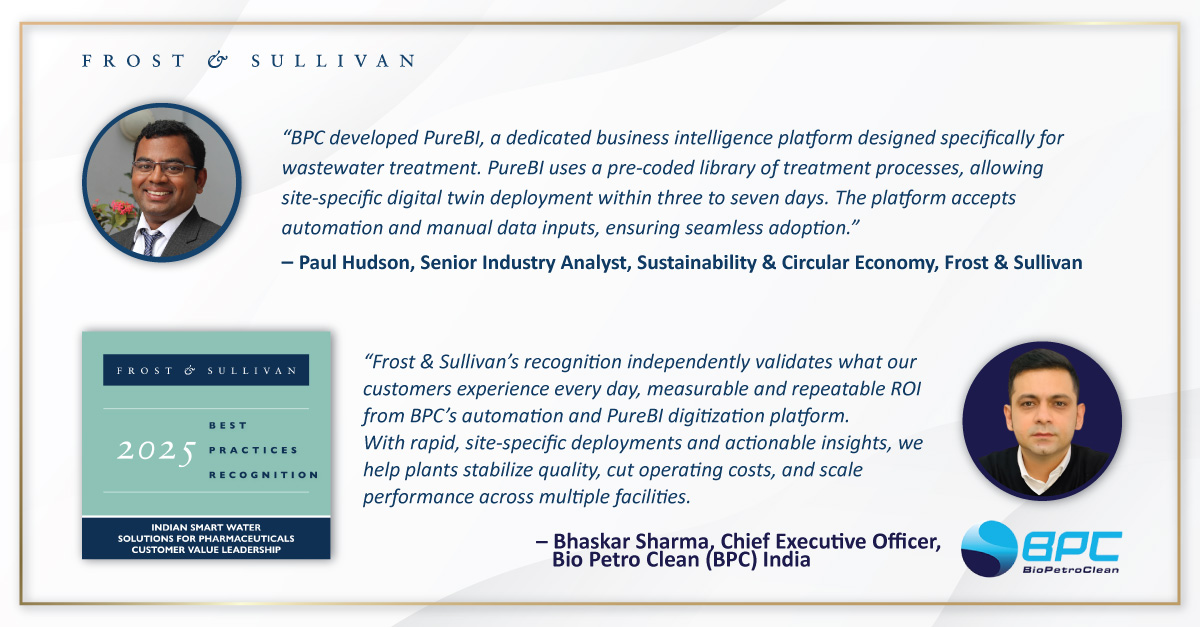
“BPC also developed PureBI, a dedicated business intelligence platform designed specifically for wastewater treatment. PureBI uses a pre-coded library of treatment processes, allowing site-specific digital twin deployment within three to seven days. The platform accepts automation and manual data inputs, ensuring seamless adoption.”
– Paul Hudson
Senior Industry Analyst
Sustainability & Circular Economy
Additional deployments in other pharmaceutical facilities reinforce the scalability of its solution. In one project, modular automation combined with PureBI analytics reduces operational costs by 30%, lowers chemical usage by 60%, and decreases sludge disposal costs by 88%.4 The same system improves RO efficiency by 5% and reduces evaporation feed by 10%.5 These quantifiable results demonstrate that digitization and automation alleviate the operational pressures of zero liquid discharge mandates while strengthening compliance and environmental outcomes. By enabling pharmaceutical companies to extract greater value from existing assets, BPC mitigates the operational risks created by water scarcity and regulatory pressure. Its ability to raise recovery rates, minimize rejects, and lower chemical use strengthens economic and environmental performance for its clients.
Frost & Sullivan finds that BPC’s technologies extend beyond compliance to deliver measurable, repeatable gains that protect production continuity and profitability. This ability to safeguard critical operations while improving sustainability differentiates BPC from traditional providers and strengthens its role as a trusted partner in delivering customer value to pharmaceutical manufacturers.
Delivering Cost-Efficient and Reliable Water Management
BPC’s competitive strength in India’s pharmaceutical market comes from its ability to integrate automation, digitization, and advanced biological treatment into one cohesive package. This model enhances water and wastewater treatment, ensuring smarter, more efficient, and easier management across complex industrial environments.
BPC developed a modular automated sampling and analysis system that differs from traditional water treatment setups. Rather than requiring multiple sensors and analyzers across various points in a process, the company’s system uses a centralized array of sensors and analyzers to sample from multiple locations.
The system automatically purges between samples to prevent cross-contamination, delivering accurate, real-time monitoring.
This design significantly lowers costs. For example, rather than purchasing four total organic carbon analyzers at around ₹1.2 crore, plants can achieve the same coverage with one multipoint analyzer costing roughly ₹30 lakh to ₹40 lakh.6 BPC’s centralized system reduces the capital burden while reducing maintenance requirements and extending equipment lifespan.
The automation system integrates with control systems that deliver closed-loop operations. Using realtime sensor data, the system automatically adjusts chemical dosing, aeration, and pH balance to maintain optimal conditions. This reduces manual intervention, minimizes operator error, and ensures consistent water quality. Plants can deploy the system in modular units, from single-tank installations to multi-unit arrays, allowing flexible adoption across different sites.
BPC expands this approach into analytics with its proprietary digital twin platform. Instead of adapting generic business intelligence tools, the company pre-coded a comprehensive library of water and wastewater treatment processes. This design enables deployment within three to seven days, depending on data readiness, compared to weeks or months under conventional approaches. Once operational, the digital twin collects data from manual inputs, controllers, or Internet of Things devices, automatically validating entries to eliminate errors that could distort analysis.
The platform integrates process expertise with advanced analytics. Generative artificial intelligence and domain knowledge enable the system to interpret performance data and provide actionable troubleshooting. For example, if an RO unit underperforms, the system analyzes upstream conditions such as biological clarifier efficiency or pH adjustment and provides corrective recommendations in real time. Preventive maintenance features generate alerts for routine tasks such as pump servicing and escalates unresolved issues for further action. These capabilities prevent equipment failures and reduce downtime, enabling pharmaceutical companies to sustain production with fewer disruptions.
BPC also developed PureBI, a dedicated business intelligence platform designed specifically for wastewater treatment. PureBI uses a pre-coded library of treatment processes, allowing site-specific digital twin deployment within three to seven days. The platform accepts automation and manual data inputs, ensuring seamless adoption.
PureBI provides:
- Real-time panoramic site views that combine quality and cost data.
- Predictive alerts that anticipate process upsets and guide corrective actions.
- Operational benchmarking against industry peers to identify efficiency gaps
- Built-in AI troubleshooting that traces root causes across treatment stages.
Delivered as a software-as-a-service solution, PureBI eliminates capital investment and transforms raw operational data into actionable insights. Machine learning algorithms generate predictive alerts and benchmark results against industry peers, enabling operators to anticipate faults, streamline processes, and align performance with financial and environmental objectives.
BPC delivers a unified ecosystem that addresses operational efficiency and predictive management in a single solution. This approach reduces capital expenditure, simplifies operations, and provides predictive insights that align with industry demands for compliance, sustainability, and profitability.
By embedding automation, analytics, and digital twins into a cohesive ecosystem that applies Industry 4.0 concepts directly to water management. The shift from reactive maintenance to predictive, data-driven operations reduces costs and strengthens resilience. Frost & Sullivan acknowledges that this evolution enables pharmaceutical water systems to operate consistently, protecting output while advancing compliance and sustainability objectives.
Broadening Impact through Scalable and Sustainable Water Solutions
BPC’s experience in pharmaceuticals highlights a broader opportunity in applying its smart water technologies across industries with similar water cycles. Sectors such as semiconductor and solar manufacturing rely on ultra-pure water systems, recycling loops, and high-efficiency wastewater treatment. These industries cannot tolerate fluctuations in water quality, as even minor deviations halt production or compromise output quality. The company is well positioned to meet these demands with the same combination of automation, digitization, and analytics that proves effective in the pharmaceutical industry.
An important factor supporting this expansion is the structural similarity of water management systems across industries. In pharmaceutical facilities and solar cell plants, operations generally begin with fresh water purification, proceed through production, and conclude with recycling in treatment facilities to achieve ultra-pure quality. Challenges arise when fluctuations in feedwater quality or treatment performance create bottlenecks that delay recycling and, in turn, production. BPC’s technologies stabilize these cycles by ensuring consistent treatment performance, reducing rejects, and enabling predictive maintenance.
This approach has been applied in pharmaceutical operations, where BPC evaluated ultra-pure water management challenges that resemble those in solar and semiconductor manufacturing. By incorporating key performance indicator tracking and closed-loop automation, the company aims to provide manufacturers with real-time visibility and control over water systems. These capabilities are particularly relevant in industries with stringent quality requirements. PureBI strengthens this capability by consolidating operational and financial data into a single panoramic view. With predictive alerts, benchmarking, and optimization tools, PureBI equips operators in high-tech manufacturing with the intelligence to safeguard output quality and sustain efficiency.
The scalability of BPC’s model enhances its applicability. Its modular automation systems and standardizedn digital platforms allow companies to implement identical solutions across multiple facilities, whether in pharmaceutical or high-tech manufacturing. This standardization simplifies operations for global organizations managing dozens of sites, while ensuring consistent performance and cost efficiency. Similarly, ACT offers stability in effluents with complex contaminants, reducing chemical use and minimizing sludge volumes. These attributes address the growing environmental and operational pressures in semiconductor and solar industries, where large-scale effluent management poses recurring challenges.
Expansion into semiconductors and solar also underscores BPC’s alignment with sustainability priorities. Both industries support the transition to cleaner energy and advanced technologies, yet their resourceintensive water usage creates environmental pressures. The company’s technologies improve recovery rates, reduce reliance on energy-intensive evaporation, and lower chemical consumption, contributing to a smaller environmental footprint.
Frost & Sullivan observes that BPC’s expansion into adjacent sectors demonstrates a forward-looking strategy that leverages existing strengths while capturing new opportunities. The company’s technologies deliver consistent performance across industries and mitigate environmental impact. This combination of operational resilience and sustainability positions BPC as a strategic technology provider for industries central to India’s economic development.
Conclusion
BioPetroClean (BPC) addresses pressing challenges in pharmaceutical water management through innovation, efficiency, and sustainability. The company retrofits existing infrastructure with advanced biological treatment, modular automation, and intelligent analytics, enabling manufacturers to achieve higher recovery, lower costs, and greater compliance reliability without disruptive capital investment. Proven impact across multiple pharmaceutical facilities, and a scalable model aligned with industry priorities position BPC as a partner of choice for long-term operational resilience. These strengths distinguish BPC as a leader in delivering customer value and position the company to advance smart water solutions in India’s pharmaceutical sector.
With its strong overall performance, BPC earns Frost & Sullivan’s 2025 India Customer Value Leadership Recognition in the smart water solutions for the pharmaceutical industry.
What You Need to Know about the Customer Value Leadership Recognition
Frost & Sullivan’s Customer Value Leadership Recognition is its top honor and recognizes the market participant that exemplifies visionary innovation, market-leading performance, and unmatched customer care.
Best Practices Recognition Analysis
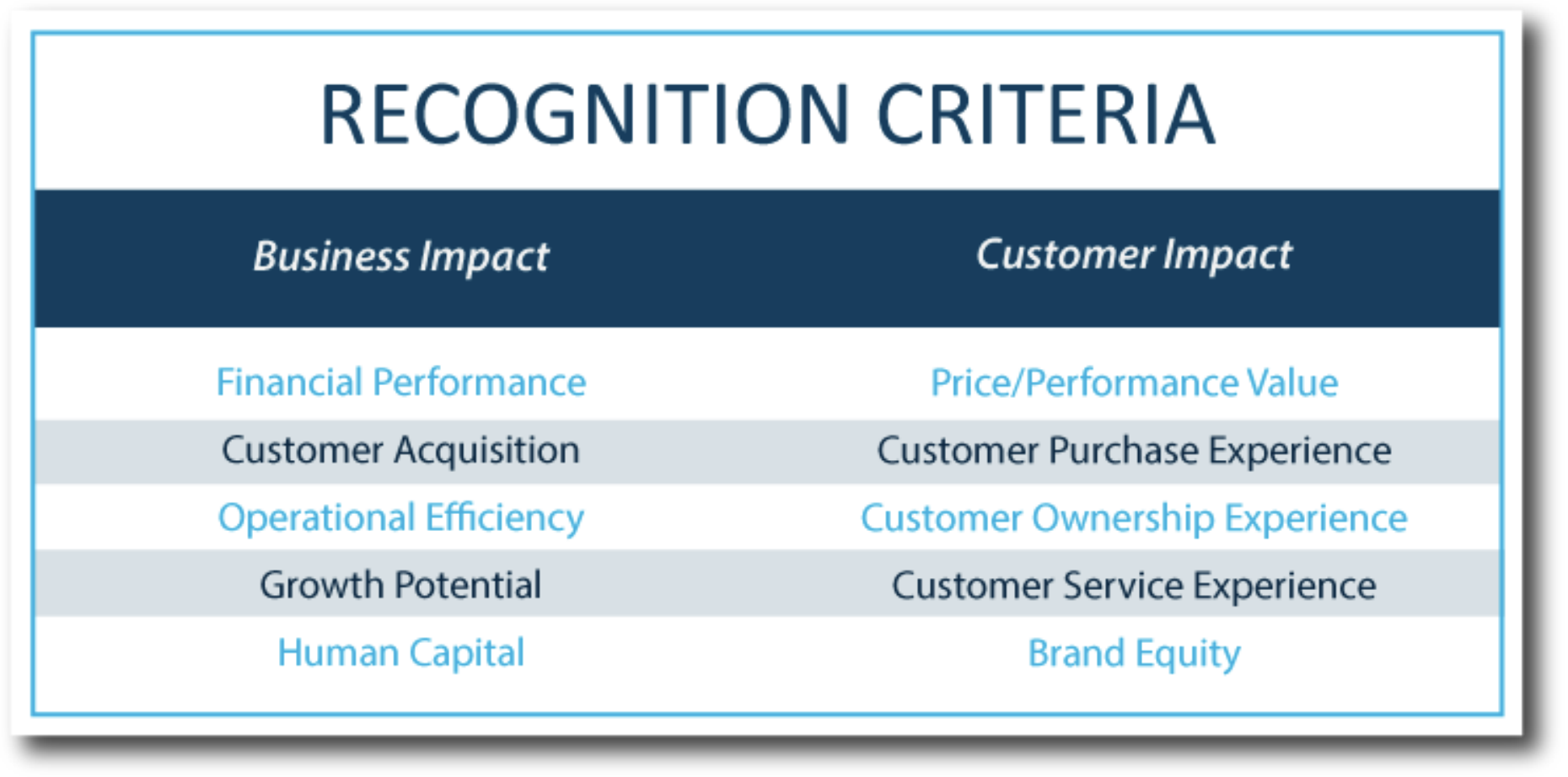
For the Customer Value Leadership Recognition, Frost & Sullivan analysts independently evaluated the criteria listed below.
Business Impact
Financial Performance: Strong overall business performance is achieved in terms of revenue, revenue growth, operating margin, and other key financial metrics
Customer Acquisition: Customer-facing processes support efficient and consistent new customer acquisition while enhancing customer retention
Operational Efficiency: Company staff performs assigned tasks productively, quickly, and to a high-quality standard
Growth Potential: Growth is fostered by a strong customer focus that strengthens the brand and reinforces customer loyalty
Human Capital: Leveraging innovative technology characterizes the company culture, which enhances employee morale and retention
Customer Impact
Price/Performance Value: Products or services offer the best ROI and superior value compared to similar market offerings
Customer Purchase Experience: Purchase experience with minimal friction and high transparency assures customers that they are buying the optimal solution to address both their needs and constraints
Customer Ownership Excellence: Products and solutions evolve continuously in sync with the customers' own growth journeys, engendering pride of ownership and enhanced customer experience
Customer Service Experience: Customer service is readily accessible and stress-free, and delivered with high quality, high availability, and fast response time
Brand Equity: Customers perceive the brand positively and exhibit high brand loyalty, which is regularly measured and confirmed through a high Net Promoter Score®
Best Practices Recognition Analytics Methodology
Inspire the World to Support True Leaders
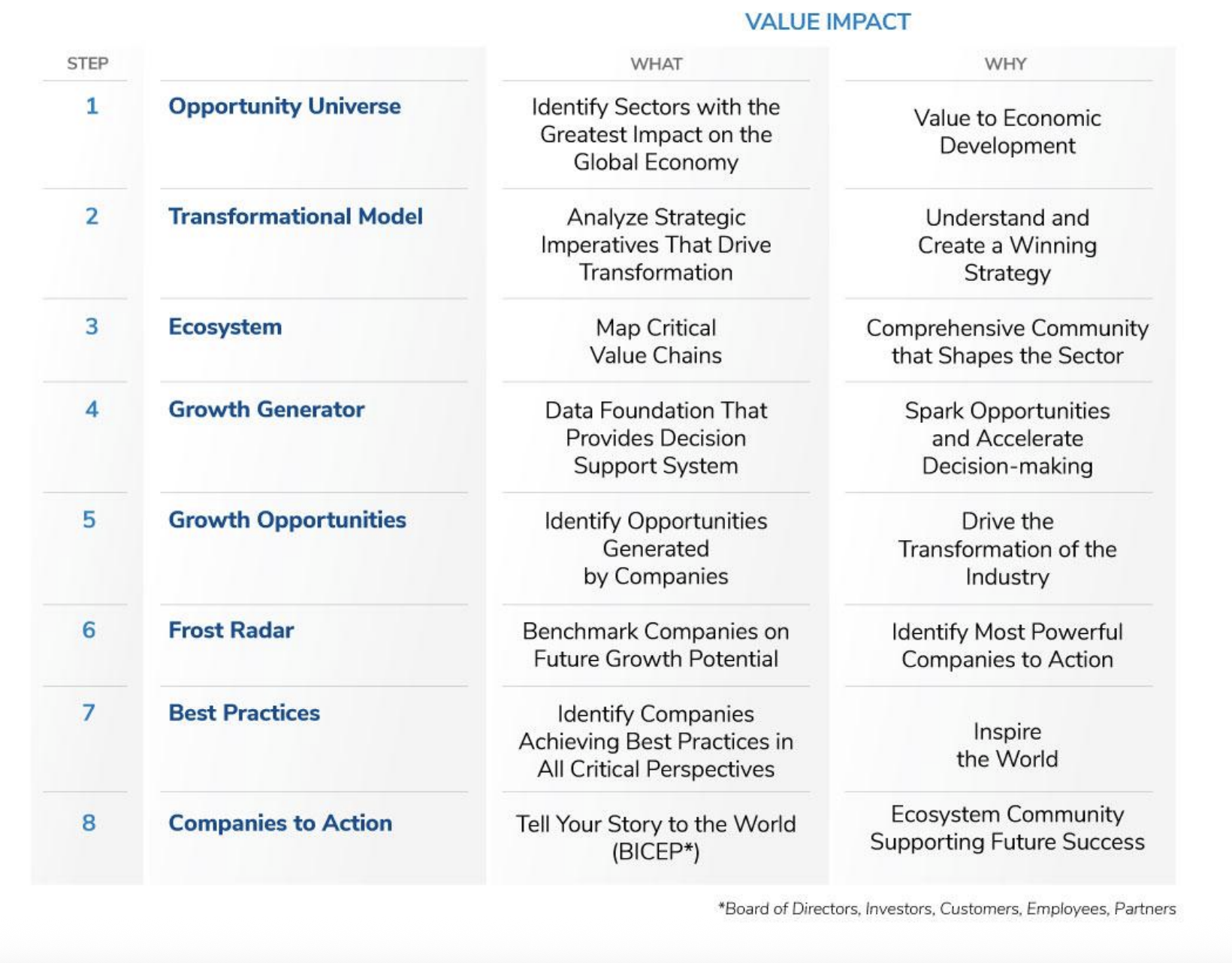
This long-term process spans 12 months, beginning with the prioritization of the sector. It involves a rigorous approach that includes comprehensive scanning and analytics to identify key best practice trends. A dedicated team of analysts, advisors, coaches, and experts collaborates closely, ensuring thorough review and input. The goal is to maximize the company’s long-term value by leveraging unique perspectives to support each Best Practice Recognition and identify meaningful transformation and impact.
About Frost & Sullivan
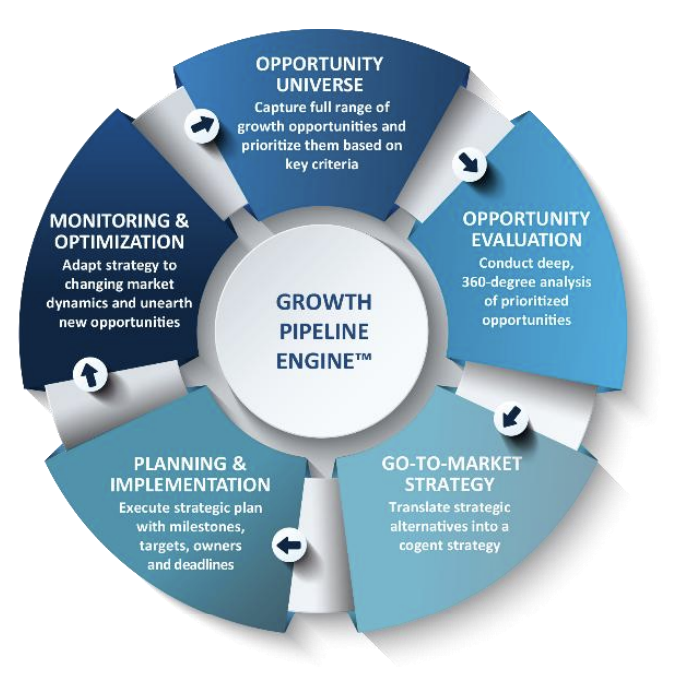
Frost & Sullivan is the Growth Pipeline Company™. We power our clients to a future shaped by growth. Our Growth Pipeline as a Service™ provides the CEO and the CEO's growth team with a continuous and rigorous platform of growth opportunities, ensuring long-term success. To achieve positive outcomes, our team leverages over 60 years of experience, coaching organizations of all types and sizes across 6 continents with our proven best practices. To power your Growth Pipeline future, visit Frost & Sullivan at http://www.frost.com.
The Growth Pipeline Generator™
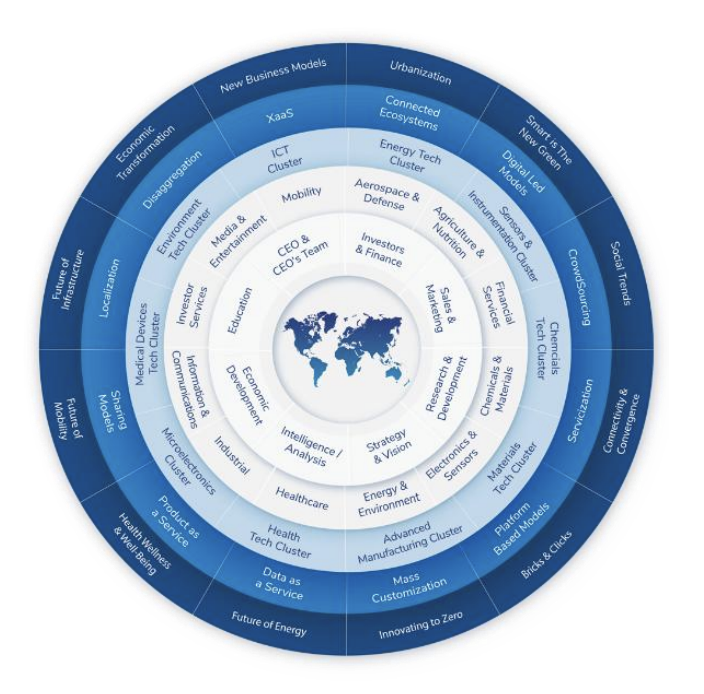
Frost & Sullivan’s proprietary model to systematically create ongoing growth opportunities and strategies for our clients is fuelled by the Innovation Generator™.
Learn more.
Key Impacts:
Growth Pipeline: Continuous Flow of Growth Opportunities
Growth Strategies: Proven Best Practices
Innovation Culture: Optimized Customer Experience
ROI & Margin: Implementation Excellence
Transformational Growth: Industry Leadership
The Innovation Generator™
Our 6 analytical perspectives are crucial in capturing the broadest range of innovative growth opportunities, most of which occur at the points of these perspectives.
Analytical Perspectives: